THE FASTEST TOOLS IN TOWN
ZIP APPLIANCE REPAIR & SERVICE

Phone: (559) 272-4265



Phone: (559) 272-4265



Appliance Repair Tips For Fresno, CA Residents
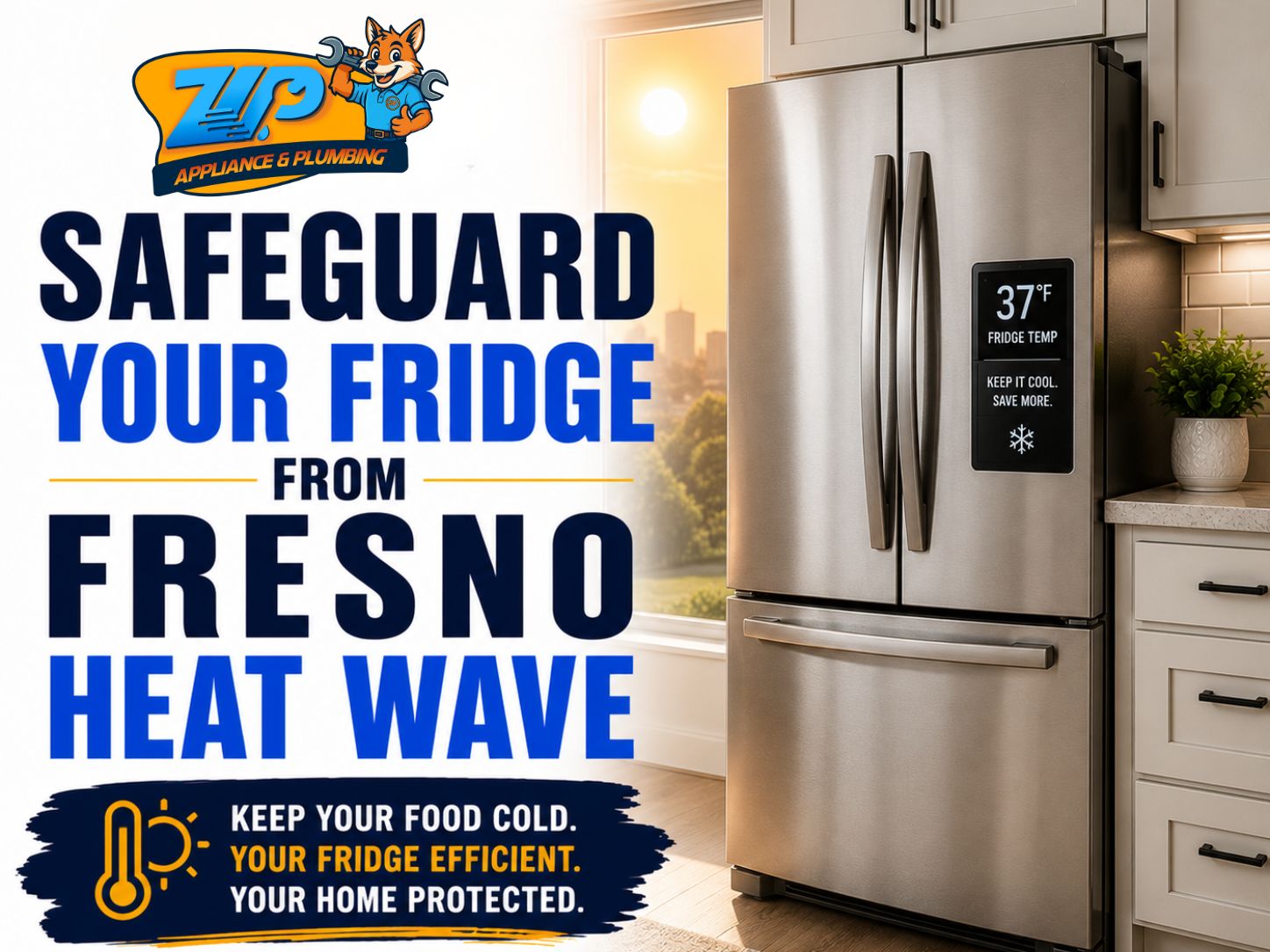
Safeguard Your Fridge from Fresno Heat Wave
Fresno Heat, Refrigerator Maintenance, Summer Appliance Care, Cooling Tips, High Temperature Effects, Protecting Refrigerators
Why Fresno's Summer Heat Destroys Refrigerators — and What to Do About It
When Fresno’s summer temperatures soar past 100°F, your refrigerator quietly becomes one of the hardest‑working machines in your home. Yet most people don’t realize how much the Central Valley’s extreme heat can shorten a fridge’s life, spike energy bills, and even put food safety at risk. Understanding why Fresno’s climate is so tough on cooling appliances—and what you can do about it—can save you money, headaches, and spoiled groceries. If you’re already noticing performance issues, scheduling professional refrigerator maintenance before peak summer can make a big difference.
Fresno’s Summer Heat: Why It’s So Hard on Refrigerators
Fresno isn’t just “hot” in summer—it’s relentlessly, consistently hot. Weeks of triple‑digit temperatures, warm nights that barely cool down, and blazing afternoon sun combine to create a harsh environment for any cooling appliance. Your refrigerator is designed to remove heat from inside the cabinet and dump that heat into the surrounding air. When the air around it is already scorching, the whole system has to work dramatically harder to do the same job.
In milder climates, a fridge might only run its compressor part of the time. In Fresno during July and August, it can feel like the compressor never gets a break. That constant strain accelerates wear on key components, especially if the refrigerator is older, poorly maintained, or installed in a hot area like a garage or unshaded kitchen corner. Over time, this is why Fresno homeowners often see premature refrigerator failures—sometimes right in the middle of a heat wave, when they need cooling the most. When that happens, having a trusted local appliance repair specialist you can call becomes just as important as your air conditioning.
How Refrigerators Work—and What Heat Does to Them
To understand why Fresno’s heat is so destructive, it helps to know the basics of how a refrigerator works. Inside the walls of your fridge is a loop of refrigerant that absorbs heat from the food compartment and releases it into the room. The compressor pumps this refrigerant through coils and controls the pressure and temperature. The condenser coils (usually at the back or underneath) are where the heat is dumped into the surrounding air. A fan helps move air across those coils so the heat can escape efficiently.
All of this is engineered around a certain “normal” room temperature—often around 70–90°F. When the air around the fridge is much hotter, like 100–110°F in a typical Fresno afternoon, the condenser coils can’t release heat as easily. The compressor has to run longer and harder to keep the inside at a safe 37–40°F for the fridge and 0°F for the freezer. That longer runtime means:
Higher internal temperatures when the system can’t keep up, raising the risk of food spoilage and bacteria growth.
Increased wear on the compressor, which is the most expensive part of the refrigerator to replace. Timely fridge repair service can sometimes save a stressed compressor before it fails completely.
More frequent cycling on and off, stressing electrical components, relays, and start capacitors.
Over months and years of Fresno summers, this constant overload can lead to early compressor failure, refrigerant leaks, fan motor burnout, and thermostat issues. What might have been a 12–15 year appliance in a coastal climate can become a 7–10 year appliance in the Central Valley if it isn’t protected and maintained carefully. Regular professional refrigerator repair and inspection can help catch these problems before they turn into expensive emergencies.
The Fresno Factor: Heat, Dust, and Hot Rooms
Fresno’s climate brings more than just high temperatures. It also brings dust, dry air, and big swings between daytime and nighttime conditions. All of these can quietly attack your refrigerator’s performance in different ways, especially when combined with common local installation habits, like keeping a second fridge in the garage or on a covered patio.
Garages and Patios: Refrigerator Danger Zones
It’s very common in Fresno to keep an extra refrigerator or freezer in the garage. Unfortunately, garages here often reach 110–120°F or more on the hottest days. Many standard refrigerators are not rated to operate efficiently—or safely—at those temperatures. When the ambient air is that hot, the appliance may never shut off, or it may cycle continuously without ever reaching proper food‑safe temperatures inside. In extreme cases, safety cutoffs can trip, or components can overheat and fail completely. If your garage unit is struggling to stay cold, a quick visit from a local appliance repair company can help you decide whether repair or replacement makes more sense.
Outdoor kitchens and covered patios can be just as risky. Even if the fridge is shaded, the surrounding air can still be extremely hot, and there may be limited airflow around the back of the unit. Combine that with Fresno’s dust and pollen, which quickly clog condenser coils, and you have a recipe for overheating and early breakdowns.
Dust and Debris: Silent Refrigerator Killers
The Central Valley is known for its agriculture—and for the dust that comes with it. Fine dust, pet hair, and household lint are drawn toward the warm, slightly sticky condenser coils and fan areas of your refrigerator. Over time, they form a fuzzy blanket that traps heat. In Fresno’s already hot environment, this can push the fridge over the edge from “working hard” to “overheating constantly.”
A dusty coil can easily add 10–20% to your fridge’s energy use, and in extreme cases, it can cause the compressor to run almost nonstop. That means higher PG&E bills in summer and a much higher chance that the compressor will fail years earlier than it should. Regular cleaning is one of the simplest, most effective ways to protect a refrigerator in Fresno’s climate—yet it’s the step most homeowners forget. If you’re not comfortable accessing the coils yourself, many professional appliance repair services can include this as part of routine maintenance.
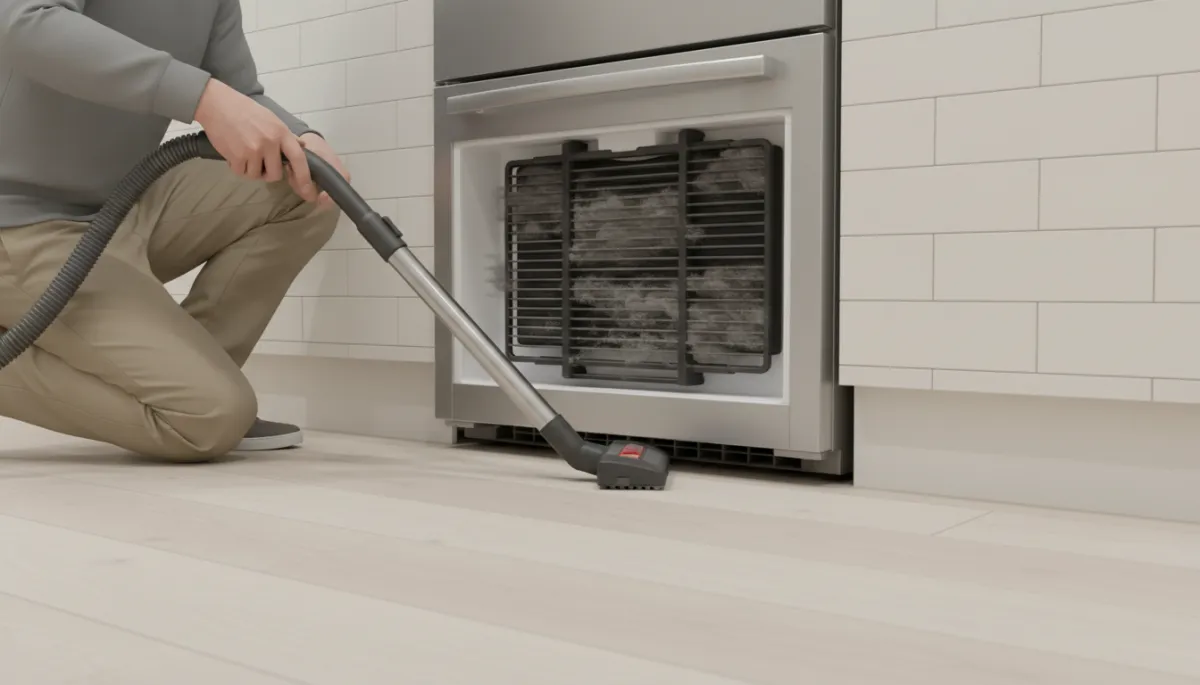
Cleaning dusty coils a few times each year can dramatically cut strain during Fresno’s hottest months.
Signs Your Refrigerator Is Struggling in the Heat
Before a refrigerator fails completely, it usually shows subtle warning signs—especially during or right after a heat wave. Paying attention to these clues can help you take action early and avoid losing hundreds of dollars of food overnight. Watch for the following red flags when Fresno temperatures spike above 100°F:
Constant running: The compressor seems to run almost all the time, with very short breaks, or none at all.
Warm spots inside: Milk, leftovers, or produce don’t feel as cold as usual, even though the thermostat setting hasn’t changed.
Soft or partially thawed frozen items: Ice cream is too soft or meat feels slightly flexible in the freezer during hot afternoons.
Unusual noises: Clicking, buzzing, or loud humming that gets worse when the house is hot can indicate a struggling compressor or fan motor.
Condensation or sweating on doors: Excess moisture on the outside of the fridge can point to warm, humid air sneaking past worn gaskets, forcing the unit to work harder.
If you notice these symptoms during a Fresno heat wave, treat them as early warning signs. The fridge may still be running, but it’s likely under heavy stress. Taking simple steps—improving airflow, cleaning coils, checking door seals, and reducing the load—can keep a minor issue from turning into a full breakdown on the hottest day of the year. If the problems persist, it’s wise to schedule a diagnostic visit with a local refrigerator repair technician before the unit fails completely.
Practical Ways to Protect Your Refrigerator During Fresno’s Hottest Days
The good news is that you’re not powerless against Fresno’s summer heat. With a combination of smart placement, regular maintenance, and a few daily habits, you can help your refrigerator survive triple‑digit days with less strain. These practical tips are especially important when outdoor temperatures climb above 100°F and stay there for days at a time.
1. Give Your Fridge Room to Breathe
Refrigerators need airflow around them to release heat efficiently. In Fresno, where the surrounding air is already hot, restricted airflow can push temperatures around the coils into the danger zone. Check that your fridge has at least a few inches of clearance on the sides and at the back, and several inches of open space above if it’s built into a cabinet. Avoid stuffing boxes, cereal, or storage containers on top of the fridge that block rising warm air from escaping.
If your refrigerator is in a tight alcove that traps heat, consider small adjustments. Even sliding it out an inch or two, or trimming back a side panel, can make a noticeable difference in how often the compressor runs during a heat wave. For garage or patio fridges, try to place them where air can circulate freely on all sides, away from walls that absorb direct afternoon sun. When airflow improvements aren’t enough, a professional refrigerator cooling issues checkup can confirm whether the system itself is still performing properly.
2. Keep It Out of Direct Sun and Away From Heat Sources
In many Fresno homes, the kitchen has big windows or sliding glass doors that flood the room with sunlight. While that’s pleasant for you, it can be brutal for your refrigerator. Direct sun hitting the side or top of the fridge can raise its surface temperature significantly, forcing the cooling system to work extra hard just to overcome the radiant heat. The same is true if the fridge is positioned right next to an oven, range, or dishwasher that throws off heat.
If possible, position your refrigerator on an interior wall, away from west‑facing windows and major heat sources. If moving it isn’t practical, simple shading measures can still help: close blinds or curtains during the hottest hours, add a reflective film to nearby glass, or use a light‑colored shade to block direct beams from hitting the appliance. In outdoor or garage settings, prioritize shade and ventilation—an unshaded metal door baking in the sun can radiate enormous heat into a nearby fridge. The same logic applies to other appliances too; if your dishwasher or oven is running constantly in summer, timely dishwasher maintenance or stove and oven repair can help them run more efficiently and reduce extra heat in the kitchen.
3. Clean the Condenser Coils Regularly—Especially Before Summer
For Fresno homeowners, coil cleaning is one of the most important summer appliance care tasks. At least twice a year—and ideally once in late spring before the first major heat wave—unplug the refrigerator and carefully clean the condenser coils. These may be at the back of the unit or underneath behind a small grille. Use a coil brush, a soft paintbrush, and a vacuum with a crevice tool to remove dust, pet hair, and debris. Work gently to avoid bending the fins or damaging any components.
In dusty areas or homes with pets, you may need to clean the coils more often—every three to four months is not excessive in the Central Valley. Clean coils allow heat to move out of the system more easily, which means shorter run times, less strain on the compressor, and lower summer electric bills. It’s a simple weekend project that can extend your refrigerator’s life by years in a hot climate like Fresno’s. If you’d prefer a professional to handle it, you can always ask your refrigerator repair technician to include coil cleaning as part of seasonal service.
4. Check and Maintain Door Seals (Gaskets)
When it’s 105°F outside and the air conditioning is working hard, your refrigerator’s door seals become even more critical. Any leak in those rubber gaskets lets warm air sneak into the cabinet, forcing the compressor to run longer and more often. Over time, Fresno’s dry air and constant use can cause gaskets to crack, harden, or pull away from the door frame, especially at the corners and along the bottom edge where crumbs and spills collect.
Test your seals by closing a thin sheet of paper or a dollar bill in the door and gently pulling. If it slides out easily without resistance, that section of the gasket may not be sealing properly. Wipe the gaskets regularly with a mild soap solution to remove grease and debris, and inspect for cracks or gaps. Replacing worn door seals is far cheaper than replacing a burned‑out compressor—and it can make a noticeable difference in how well your fridge holds temperature during a heat wave. If you’re unsure whether a gasket needs replacement, a quick evaluation from a Fresno appliance repair expert can give you peace of mind.
5. Set Realistic Temperatures and Avoid Overloading
When the weather is scorching, it’s tempting to turn the fridge thermostat down to its coldest setting. But that can actually backfire in Fresno’s climate. Forcing the refrigerator to aim for extremely low temperatures when the surrounding air is already very hot can cause it to run constantly without ever quite catching up, putting enormous strain on the system. Instead, aim for recommended settings: about 37–40°F for the refrigerator compartment and 0°F for the freezer. Use an inexpensive appliance thermometer to confirm actual temperatures, since built‑in dials are often imprecise.
Also pay attention to how you load your fridge during summer. Good air circulation inside is just as important as outside. Avoid packing items tightly against the back wall, where air vents are usually located, and don’t overfill shelves to the point that cold air can’t move freely. A slightly fuller fridge can actually hold temperature better during power flickers or door openings, but there’s a balance. Think “well organized and not crammed” rather than “every inch stuffed.” If you’re juggling multiple appliances—like a packed fridge, busy dishwasher, and heavy laundry loads—having a reliable partner for laundry appliance repair and kitchen appliance service can help keep everything running smoothly through the hottest weeks.
6. Minimize Door Openings During Peak Heat
On a 105°F Fresno afternoon, every time you open the refrigerator door, a flood of warm kitchen air rushes in. The cooling system then has to remove that heat all over again. When kids are home from school, friends are visiting, or you’re prepping a big meal, frequent door openings can add up to serious extra work for your fridge—right when it’s already battling high ambient temperatures and possibly higher indoor humidity from cooking or dishwashing.
Make a habit of planning what you’ll grab before you open the door: group tasks so you’re not opening it every few minutes, and encourage family members to avoid standing there with the door wide open while they decide on a snack. For outdoor or garage fridges, consider keeping only less temperature‑sensitive items in them during extreme heat—drinks, condiments, and backup frozen goods—while storing more perishable foods in the better‑controlled indoor refrigerator. If you notice that even with careful use your fridge still can’t keep up, it may be time to schedule a professional refrigerator repair visit to check for deeper issues.
7. Use Your Home’s Cooling System to Help Your Fridge
Your air conditioner and refrigerator are on the same team during a Fresno heat wave. If you allow the indoor temperature to climb too high—say, turning the thermostat way up during the day to save money—your fridge has to bridge a much bigger gap between room temperature and its internal set point. That can erase any savings from raising the AC setting, because the refrigerator (and other appliances) will draw more power to compensate.
Instead of letting the house get extremely warm, aim for a reasonable, steady indoor temperature—many Fresno homeowners find that keeping the thermostat in the upper 70s balances comfort, appliance health, and energy costs. Use ceiling fans to feel cooler without overworking the AC, and avoid heavy oven use during the hottest hours. Every degree you keep the kitchen cooler makes life easier for your refrigerator’s compressor and extends its lifespan in the long run. If your oven or range is adding too much heat or not performing correctly, a quick stove and oven repair visit can help reduce unnecessary stress on your fridge and your AC.
8. Be Strategic With Garage and Outdoor Refrigerators
If you rely on a second refrigerator in the garage—a common setup in Fresno—treat it as a special case. Standard indoor refrigerators are not designed for 110°F garages. During the hottest weeks, consider:
Moving the most perishable items (meat, dairy, leftovers) into the main indoor fridge.
Keeping the garage fridge for drinks and less sensitive foods only, especially during prolonged heat waves.
Adding a small fan to improve airflow around the back of the unit, while still following safety guidelines and keeping cords away from moisture.
Considering a model specifically rated for garage or outdoor use when it’s time to replace an aging unit.
For outdoor kitchens, always check the manufacturer’s specifications. Many “indoor only” refrigerators will void their warranty if used outside or in extreme temperatures. An appliance built for outdoor or high‑ambient conditions may cost more upfront but can be a better long‑term investment in Fresno’s climate. If you’re unsure which models will hold up best, a conversation with local appliance repair in Fresno professionals who see these units every day can help you make a smarter choice.
Food Safety in Extreme Heat: Don’t Let Spoilage Sneak Up on You
One of the hidden risks of Fresno’s extreme summer heat is food spoilage that you can’t immediately see or smell. If your refrigerator struggles to maintain safe temperatures—especially during long afternoons when the sun is blazing—perishable foods can spend hours in the “danger zone” between 40°F and 140°F, where bacteria multiply rapidly. This can happen even if the fridge feels “cool” when you open the door, and even if the power never went out.
To protect your family, consider placing a simple digital thermometer with a memory function inside both the fridge and freezer. These devices can show you the highest temperature reached since you last reset them. If you see that the refrigerator compartment has climbed above 40°F for an extended period during a heat wave, be cautious with high‑risk foods like cooked meats, dairy, and leftovers. When in doubt, it’s safer to discard questionable items than risk foodborne illness—especially for children, older adults, and anyone with a weakened immune system. If temperature spikes are frequent, it’s a strong sign that you should schedule refrigerator repair to restore safe cooling performance.
When to Call a Professional in Fresno’s Heat
While many protective steps are simple DIY tasks—like cleaning coils, checking gaskets, and improving airflow—there are times when Fresno’s heat exposes deeper issues that need a professional touch. Consider contacting a qualified appliance technician if you notice:
The fridge can’t stay below 40°F even after you’ve cleaned coils and improved ventilation.
The compressor is extremely hot to the touch or cycles on and off rapidly with loud clicks or buzzing.
You see icing or frost buildup in unusual places, which may indicate airflow or defrost system problems made worse by high ambient temperatures.
There are repeated electrical issues, tripped breakers, or burning smells when the unit runs hardest on hot days.
A technician familiar with Fresno’s climate can evaluate whether your refrigerator is simply under extra seasonal strain or whether there’s an underlying failure in progress. In some cases, especially with older units, the cost of major repairs in a high‑heat environment may tip the balance toward replacement with a newer, more efficient model better suited to handle Central Valley summers. Partnering with experienced Fresno appliance repair experts ensures you get honest guidance on whether to repair or replace.
Planning Ahead: Choosing and Caring for a Fridge That Can Handle Fresno
If you’re shopping for a new refrigerator in Fresno, it pays to think about summer performance from the start. Look for energy‑efficient models with strong compressor warranties and good reviews for reliability in hot climates. If you know the unit will live in a garage or outdoor kitchen, focus on models specifically rated for higher ambient temperatures. Ask about recommended operating ranges and how the appliance handles 100°F+ conditions, rather than assuming all fridges are created equal.
Once installed, treat your refrigerator as an investment that needs regular care—especially heading into summer. A simple annual routine tailored to Fresno’s heat might include:
Deep cleaning the condenser coils in late spring, before temperatures soar.
Inspecting and cleaning door gaskets, and replacing them if they’re cracked or loose.
Checking that there’s adequate clearance and ventilation around the unit, inside or out.
Verifying internal temperatures with a separate thermometer and adjusting settings if needed.
By combining smart purchasing decisions with consistent maintenance and a few daily habits, you can dramatically reduce the toll Fresno’s summer heat takes on your refrigerator. Instead of dreading the next heat wave, you’ll know your appliance is as prepared as possible to handle the stress. And if you ever need help with other household appliances—like dryer repair when your laundry can’t keep up with pool towels and summer clothes—having a trusted service team already in your corner makes life much easier.
Final Thoughts: Beating the Heat Before It Beats Your Fridge
Fresno’s scorching summers are a fact of life, and they’re not getting any cooler. While you can’t control the triple‑digit temperatures outside, you can control how well your home and appliances are prepared for them. Your refrigerator may not be as visible as your air conditioner, but it’s just as critical—both for your comfort and for your family’s health and food budget. When the mercury climbs past 100°F, your fridge is fighting a quiet battle against physics, trying to keep cold air in while dumping heat into an already overheated room or garage.
By understanding how Fresno’s unique combination of extreme heat, dust, and hot indoor spaces stresses cooling appliances, you’re already ahead of the curve. Add in practical steps—good placement, clean coils, healthy door seals, smart temperature settings, and mindful daily use—and you can turn your refrigerator from a vulnerable weak point into a resilient, efficient workhorse. The payoff is fewer breakdowns, lower energy bills, and far less risk of coming home on a 108°F day to find your groceries spoiled and your fridge silent. When problems do arise, turning to a trusted source for appliance repair in Fresno helps you get back to normal quickly.
As summer approaches, take a weekend to give your refrigerator the attention it deserves. In a city where 100°F days are the norm, not the exception, a little proactive maintenance and smart planning can mean the difference between a fridge that fails early under Fresno’s heat—and one that quietly keeps your food safe, season after season. If you're experiencing appliance problems, contact our Fresno appliance repair experts or call 559-272-4265 to schedule service today.

Safeguard Your Fridge from Fresno Heat Wave
Fresno Heat, Refrigerator Maintenance, Summer Appliance Care, Cooling Tips, High Temperature Effects, Protecting Refrigerators
Why Fresno's Summer Heat Destroys Refrigerators — and What to Do About It
When Fresno’s summer temperatures soar past 100°F, your refrigerator quietly becomes one of the hardest‑working machines in your home. Yet most people don’t realize how much the Central Valley’s extreme heat can shorten a fridge’s life, spike energy bills, and even put food safety at risk. Understanding why Fresno’s climate is so tough on cooling appliances—and what you can do about it—can save you money, headaches, and spoiled groceries. If you’re already noticing performance issues, scheduling professional refrigerator maintenance before peak summer can make a big difference.
Fresno’s Summer Heat: Why It’s So Hard on Refrigerators
Fresno isn’t just “hot” in summer—it’s relentlessly, consistently hot. Weeks of triple‑digit temperatures, warm nights that barely cool down, and blazing afternoon sun combine to create a harsh environment for any cooling appliance. Your refrigerator is designed to remove heat from inside the cabinet and dump that heat into the surrounding air. When the air around it is already scorching, the whole system has to work dramatically harder to do the same job.
In milder climates, a fridge might only run its compressor part of the time. In Fresno during July and August, it can feel like the compressor never gets a break. That constant strain accelerates wear on key components, especially if the refrigerator is older, poorly maintained, or installed in a hot area like a garage or unshaded kitchen corner. Over time, this is why Fresno homeowners often see premature refrigerator failures—sometimes right in the middle of a heat wave, when they need cooling the most. When that happens, having a trusted local appliance repair specialist you can call becomes just as important as your air conditioning.
How Refrigerators Work—and What Heat Does to Them
To understand why Fresno’s heat is so destructive, it helps to know the basics of how a refrigerator works. Inside the walls of your fridge is a loop of refrigerant that absorbs heat from the food compartment and releases it into the room. The compressor pumps this refrigerant through coils and controls the pressure and temperature. The condenser coils (usually at the back or underneath) are where the heat is dumped into the surrounding air. A fan helps move air across those coils so the heat can escape efficiently.
All of this is engineered around a certain “normal” room temperature—often around 70–90°F. When the air around the fridge is much hotter, like 100–110°F in a typical Fresno afternoon, the condenser coils can’t release heat as easily. The compressor has to run longer and harder to keep the inside at a safe 37–40°F for the fridge and 0°F for the freezer. That longer runtime means:
Higher internal temperatures when the system can’t keep up, raising the risk of food spoilage and bacteria growth.
Increased wear on the compressor, which is the most expensive part of the refrigerator to replace. Timely fridge repair service can sometimes save a stressed compressor before it fails completely.
More frequent cycling on and off, stressing electrical components, relays, and start capacitors.
Over months and years of Fresno summers, this constant overload can lead to early compressor failure, refrigerant leaks, fan motor burnout, and thermostat issues. What might have been a 12–15 year appliance in a coastal climate can become a 7–10 year appliance in the Central Valley if it isn’t protected and maintained carefully. Regular professional refrigerator repair and inspection can help catch these problems before they turn into expensive emergencies.
The Fresno Factor: Heat, Dust, and Hot Rooms
Fresno’s climate brings more than just high temperatures. It also brings dust, dry air, and big swings between daytime and nighttime conditions. All of these can quietly attack your refrigerator’s performance in different ways, especially when combined with common local installation habits, like keeping a second fridge in the garage or on a covered patio.
Garages and Patios: Refrigerator Danger Zones
It’s very common in Fresno to keep an extra refrigerator or freezer in the garage. Unfortunately, garages here often reach 110–120°F or more on the hottest days. Many standard refrigerators are not rated to operate efficiently—or safely—at those temperatures. When the ambient air is that hot, the appliance may never shut off, or it may cycle continuously without ever reaching proper food‑safe temperatures inside. In extreme cases, safety cutoffs can trip, or components can overheat and fail completely. If your garage unit is struggling to stay cold, a quick visit from a local appliance repair company can help you decide whether repair or replacement makes more sense.
Outdoor kitchens and covered patios can be just as risky. Even if the fridge is shaded, the surrounding air can still be extremely hot, and there may be limited airflow around the back of the unit. Combine that with Fresno’s dust and pollen, which quickly clog condenser coils, and you have a recipe for overheating and early breakdowns.
Dust and Debris: Silent Refrigerator Killers
The Central Valley is known for its agriculture—and for the dust that comes with it. Fine dust, pet hair, and household lint are drawn toward the warm, slightly sticky condenser coils and fan areas of your refrigerator. Over time, they form a fuzzy blanket that traps heat. In Fresno’s already hot environment, this can push the fridge over the edge from “working hard” to “overheating constantly.”
A dusty coil can easily add 10–20% to your fridge’s energy use, and in extreme cases, it can cause the compressor to run almost nonstop. That means higher PG&E bills in summer and a much higher chance that the compressor will fail years earlier than it should. Regular cleaning is one of the simplest, most effective ways to protect a refrigerator in Fresno’s climate—yet it’s the step most homeowners forget. If you’re not comfortable accessing the coils yourself, many professional appliance repair services can include this as part of routine maintenance.
Cleaning dusty coils a few times each year can dramatically cut strain during Fresno’s hottest months.
Signs Your Refrigerator Is Struggling in the Heat
Before a refrigerator fails completely, it usually shows subtle warning signs—especially during or right after a heat wave. Paying attention to these clues can help you take action early and avoid losing hundreds of dollars of food overnight. Watch for the following red flags when Fresno temperatures spike above 100°F:
Constant running: The compressor seems to run almost all the time, with very short breaks, or none at all.
Warm spots inside: Milk, leftovers, or produce don’t feel as cold as usual, even though the thermostat setting hasn’t changed.
Soft or partially thawed frozen items: Ice cream is too soft or meat feels slightly flexible in the freezer during hot afternoons.
Unusual noises: Clicking, buzzing, or loud humming that gets worse when the house is hot can indicate a struggling compressor or fan motor.
Condensation or sweating on doors: Excess moisture on the outside of the fridge can point to warm, humid air sneaking past worn gaskets, forcing the unit to work harder.
If you notice these symptoms during a Fresno heat wave, treat them as early warning signs. The fridge may still be running, but it’s likely under heavy stress. Taking simple steps—improving airflow, cleaning coils, checking door seals, and reducing the load—can keep a minor issue from turning into a full breakdown on the hottest day of the year. If the problems persist, it’s wise to schedule a diagnostic visit with a local refrigerator repair technician before the unit fails completely.
Practical Ways to Protect Your Refrigerator During Fresno’s Hottest Days
The good news is that you’re not powerless against Fresno’s summer heat. With a combination of smart placement, regular maintenance, and a few daily habits, you can help your refrigerator survive triple‑digit days with less strain. These practical tips are especially important when outdoor temperatures climb above 100°F and stay there for days at a time.
1. Give Your Fridge Room to Breathe
Refrigerators need airflow around them to release heat efficiently. In Fresno, where the surrounding air is already hot, restricted airflow can push temperatures around the coils into the danger zone. Check that your fridge has at least a few inches of clearance on the sides and at the back, and several inches of open space above if it’s built into a cabinet. Avoid stuffing boxes, cereal, or storage containers on top of the fridge that block rising warm air from escaping.
If your refrigerator is in a tight alcove that traps heat, consider small adjustments. Even sliding it out an inch or two, or trimming back a side panel, can make a noticeable difference in how often the compressor runs during a heat wave. For garage or patio fridges, try to place them where air can circulate freely on all sides, away from walls that absorb direct afternoon sun. When airflow improvements aren’t enough, a professional refrigerator cooling issues checkup can confirm whether the system itself is still performing properly.
2. Keep It Out of Direct Sun and Away From Heat Sources
In many Fresno homes, the kitchen has big windows or sliding glass doors that flood the room with sunlight. While that’s pleasant for you, it can be brutal for your refrigerator. Direct sun hitting the side or top of the fridge can raise its surface temperature significantly, forcing the cooling system to work extra hard just to overcome the radiant heat. The same is true if the fridge is positioned right next to an oven, range, or dishwasher that throws off heat.
If possible, position your refrigerator on an interior wall, away from west‑facing windows and major heat sources. If moving it isn’t practical, simple shading measures can still help: close blinds or curtains during the hottest hours, add a reflective film to nearby glass, or use a light‑colored shade to block direct beams from hitting the appliance. In outdoor or garage settings, prioritize shade and ventilation—an unshaded metal door baking in the sun can radiate enormous heat into a nearby fridge. The same logic applies to other appliances too; if your dishwasher or oven is running constantly in summer, timely dishwasher maintenance or stove and oven repair can help them run more efficiently and reduce extra heat in the kitchen.
3. Clean the Condenser Coils Regularly—Especially Before Summer
For Fresno homeowners, coil cleaning is one of the most important summer appliance care tasks. At least twice a year—and ideally once in late spring before the first major heat wave—unplug the refrigerator and carefully clean the condenser coils. These may be at the back of the unit or underneath behind a small grille. Use a coil brush, a soft paintbrush, and a vacuum with a crevice tool to remove dust, pet hair, and debris. Work gently to avoid bending the fins or damaging any components.
In dusty areas or homes with pets, you may need to clean the coils more often—every three to four months is not excessive in the Central Valley. Clean coils allow heat to move out of the system more easily, which means shorter run times, less strain on the compressor, and lower summer electric bills. It’s a simple weekend project that can extend your refrigerator’s life by years in a hot climate like Fresno’s. If you’d prefer a professional to handle it, you can always ask your refrigerator repair technician to include coil cleaning as part of seasonal service.
4. Check and Maintain Door Seals (Gaskets)
When it’s 105°F outside and the air conditioning is working hard, your refrigerator’s door seals become even more critical. Any leak in those rubber gaskets lets warm air sneak into the cabinet, forcing the compressor to run longer and more often. Over time, Fresno’s dry air and constant use can cause gaskets to crack, harden, or pull away from the door frame, especially at the corners and along the bottom edge where crumbs and spills collect.
Test your seals by closing a thin sheet of paper or a dollar bill in the door and gently pulling. If it slides out easily without resistance, that section of the gasket may not be sealing properly. Wipe the gaskets regularly with a mild soap solution to remove grease and debris, and inspect for cracks or gaps. Replacing worn door seals is far cheaper than replacing a burned‑out compressor—and it can make a noticeable difference in how well your fridge holds temperature during a heat wave. If you’re unsure whether a gasket needs replacement, a quick evaluation from a Fresno appliance repair expert can give you peace of mind.
5. Set Realistic Temperatures and Avoid Overloading
When the weather is scorching, it’s tempting to turn the fridge thermostat down to its coldest setting. But that can actually backfire in Fresno’s climate. Forcing the refrigerator to aim for extremely low temperatures when the surrounding air is already very hot can cause it to run constantly without ever quite catching up, putting enormous strain on the system. Instead, aim for recommended settings: about 37–40°F for the refrigerator compartment and 0°F for the freezer. Use an inexpensive appliance thermometer to confirm actual temperatures, since built‑in dials are often imprecise.
Also pay attention to how you load your fridge during summer. Good air circulation inside is just as important as outside. Avoid packing items tightly against the back wall, where air vents are usually located, and don’t overfill shelves to the point that cold air can’t move freely. A slightly fuller fridge can actually hold temperature better during power flickers or door openings, but there’s a balance. Think “well organized and not crammed” rather than “every inch stuffed.” If you’re juggling multiple appliances—like a packed fridge, busy dishwasher, and heavy laundry loads—having a reliable partner for laundry appliance repair and kitchen appliance service can help keep everything running smoothly through the hottest weeks.
6. Minimize Door Openings During Peak Heat
On a 105°F Fresno afternoon, every time you open the refrigerator door, a flood of warm kitchen air rushes in. The cooling system then has to remove that heat all over again. When kids are home from school, friends are visiting, or you’re prepping a big meal, frequent door openings can add up to serious extra work for your fridge—right when it’s already battling high ambient temperatures and possibly higher indoor humidity from cooking or dishwashing.
Make a habit of planning what you’ll grab before you open the door: group tasks so you’re not opening it every few minutes, and encourage family members to avoid standing there with the door wide open while they decide on a snack. For outdoor or garage fridges, consider keeping only less temperature‑sensitive items in them during extreme heat—drinks, condiments, and backup frozen goods—while storing more perishable foods in the better‑controlled indoor refrigerator. If you notice that even with careful use your fridge still can’t keep up, it may be time to schedule a professional refrigerator repair visit to check for deeper issues.
7. Use Your Home’s Cooling System to Help Your Fridge
Your air conditioner and refrigerator are on the same team during a Fresno heat wave. If you allow the indoor temperature to climb too high—say, turning the thermostat way up during the day to save money—your fridge has to bridge a much bigger gap between room temperature and its internal set point. That can erase any savings from raising the AC setting, because the refrigerator (and other appliances) will draw more power to compensate.
Instead of letting the house get extremely warm, aim for a reasonable, steady indoor temperature—many Fresno homeowners find that keeping the thermostat in the upper 70s balances comfort, appliance health, and energy costs. Use ceiling fans to feel cooler without overworking the AC, and avoid heavy oven use during the hottest hours. Every degree you keep the kitchen cooler makes life easier for your refrigerator’s compressor and extends its lifespan in the long run. If your oven or range is adding too much heat or not performing correctly, a quick stove and oven repair visit can help reduce unnecessary stress on your fridge and your AC.
8. Be Strategic With Garage and Outdoor Refrigerators
If you rely on a second refrigerator in the garage—a common setup in Fresno—treat it as a special case. Standard indoor refrigerators are not designed for 110°F garages. During the hottest weeks, consider:
Moving the most perishable items (meat, dairy, leftovers) into the main indoor fridge.
Keeping the garage fridge for drinks and less sensitive foods only, especially during prolonged heat waves.
Adding a small fan to improve airflow around the back of the unit, while still following safety guidelines and keeping cords away from moisture.
Considering a model specifically rated for garage or outdoor use when it’s time to replace an aging unit.
For outdoor kitchens, always check the manufacturer’s specifications. Many “indoor only” refrigerators will void their warranty if used outside or in extreme temperatures. An appliance built for outdoor or high‑ambient conditions may cost more upfront but can be a better long‑term investment in Fresno’s climate. If you’re unsure which models will hold up best, a conversation with local appliance repair in Fresno professionals who see these units every day can help you make a smarter choice.
Food Safety in Extreme Heat: Don’t Let Spoilage Sneak Up on You
One of the hidden risks of Fresno’s extreme summer heat is food spoilage that you can’t immediately see or smell. If your refrigerator struggles to maintain safe temperatures—especially during long afternoons when the sun is blazing—perishable foods can spend hours in the “danger zone” between 40°F and 140°F, where bacteria multiply rapidly. This can happen even if the fridge feels “cool” when you open the door, and even if the power never went out.
To protect your family, consider placing a simple digital thermometer with a memory function inside both the fridge and freezer. These devices can show you the highest temperature reached since you last reset them. If you see that the refrigerator compartment has climbed above 40°F for an extended period during a heat wave, be cautious with high‑risk foods like cooked meats, dairy, and leftovers. When in doubt, it’s safer to discard questionable items than risk foodborne illness—especially for children, older adults, and anyone with a weakened immune system. If temperature spikes are frequent, it’s a strong sign that you should schedule refrigerator repair to restore safe cooling performance.
When to Call a Professional in Fresno’s Heat
While many protective steps are simple DIY tasks—like cleaning coils, checking gaskets, and improving airflow—there are times when Fresno’s heat exposes deeper issues that need a professional touch. Consider contacting a qualified appliance technician if you notice:
The fridge can’t stay below 40°F even after you’ve cleaned coils and improved ventilation.
The compressor is extremely hot to the touch or cycles on and off rapidly with loud clicks or buzzing.
You see icing or frost buildup in unusual places, which may indicate airflow or defrost system problems made worse by high ambient temperatures.
There are repeated electrical issues, tripped breakers, or burning smells when the unit runs hardest on hot days.
A technician familiar with Fresno’s climate can evaluate whether your refrigerator is simply under extra seasonal strain or whether there’s an underlying failure in progress. In some cases, especially with older units, the cost of major repairs in a high‑heat environment may tip the balance toward replacement with a newer, more efficient model better suited to handle Central Valley summers. Partnering with experienced Fresno appliance repair experts ensures you get honest guidance on whether to repair or replace.
Planning Ahead: Choosing and Caring for a Fridge That Can Handle Fresno
If you’re shopping for a new refrigerator in Fresno, it pays to think about summer performance from the start. Look for energy‑efficient models with strong compressor warranties and good reviews for reliability in hot climates. If you know the unit will live in a garage or outdoor kitchen, focus on models specifically rated for higher ambient temperatures. Ask about recommended operating ranges and how the appliance handles 100°F+ conditions, rather than assuming all fridges are created equal.
Once installed, treat your refrigerator as an investment that needs regular care—especially heading into summer. A simple annual routine tailored to Fresno’s heat might include:
Deep cleaning the condenser coils in late spring, before temperatures soar.
Inspecting and cleaning door gaskets, and replacing them if they’re cracked or loose.
Checking that there’s adequate clearance and ventilation around the unit, inside or out.
Verifying internal temperatures with a separate thermometer and adjusting settings if needed.
By combining smart purchasing decisions with consistent maintenance and a few daily habits, you can dramatically reduce the toll Fresno’s summer heat takes on your refrigerator. Instead of dreading the next heat wave, you’ll know your appliance is as prepared as possible to handle the stress. And if you ever need help with other household appliances—like dryer repair when your laundry can’t keep up with pool towels and summer clothes—having a trusted service team already in your corner makes life much easier.
Final Thoughts: Beating the Heat Before It Beats Your Fridge
Fresno’s scorching summers are a fact of life, and they’re not getting any cooler. While you can’t control the triple‑digit temperatures outside, you can control how well your home and appliances are prepared for them. Your refrigerator may not be as visible as your air conditioner, but it’s just as critical—both for your comfort and for your family’s health and food budget. When the mercury climbs past 100°F, your fridge is fighting a quiet battle against physics, trying to keep cold air in while dumping heat into an already overheated room or garage.
By understanding how Fresno’s unique combination of extreme heat, dust, and hot indoor spaces stresses cooling appliances, you’re already ahead of the curve. Add in practical steps—good placement, clean coils, healthy door seals, smart temperature settings, and mindful daily use—and you can turn your refrigerator from a vulnerable weak point into a resilient, efficient workhorse. The payoff is fewer breakdowns, lower energy bills, and far less risk of coming home on a 108°F day to find your groceries spoiled and your fridge silent. When problems do arise, turning to a trusted source for appliance repair in Fresno helps you get back to normal quickly.
As summer approaches, take a weekend to give your refrigerator the attention it deserves. In a city where 100°F days are the norm, not the exception, a little proactive maintenance and smart planning can mean the difference between a fridge that fails early under Fresno’s heat—and one that quietly keeps your food safe, season after season. If you're experiencing appliance problems, contact our Fresno appliance repair experts or call 559-272-4265 to schedule service today.
If your dryer has been giving you problems, contact Zip Appliance Repair & Service at (559) 272-4265
Appliance Repair In A Zip
If you need a dryer repair call our Team at (559) 272-4265, or visit our online scheduling page to request service.
Appliance Repair
HAVE A QUESTION, CALL (559) 272-4265

Online Offers
Take advantage of our online discount offers - save time and money...

Residential & Commercial appliances
See what our company can do for you

Appliance Repair Tips
If your appliance is not working properly...
1405 Commercial Way ste 100
Bakersfield, CA 93309
Lic # 1116346
Equipment We Sevice
- A Call To Confirm Your Appointment Time
- A Email Detailing Your Assigned Technician
- Information Needed Before The Repair Can Be Started
- An Estimate Of Work To Be Done
© 2026 ZIP APPLIANCE REPAIR & SERVICE LLC