THE FASTEST TOOLS IN TOWN
ZIP APPLIANCE REPAIR & SERVICE

Phone: (559) 272-4265



Phone: (559) 272-4265



Appliance Repair Tips For Fresno, CA Residents
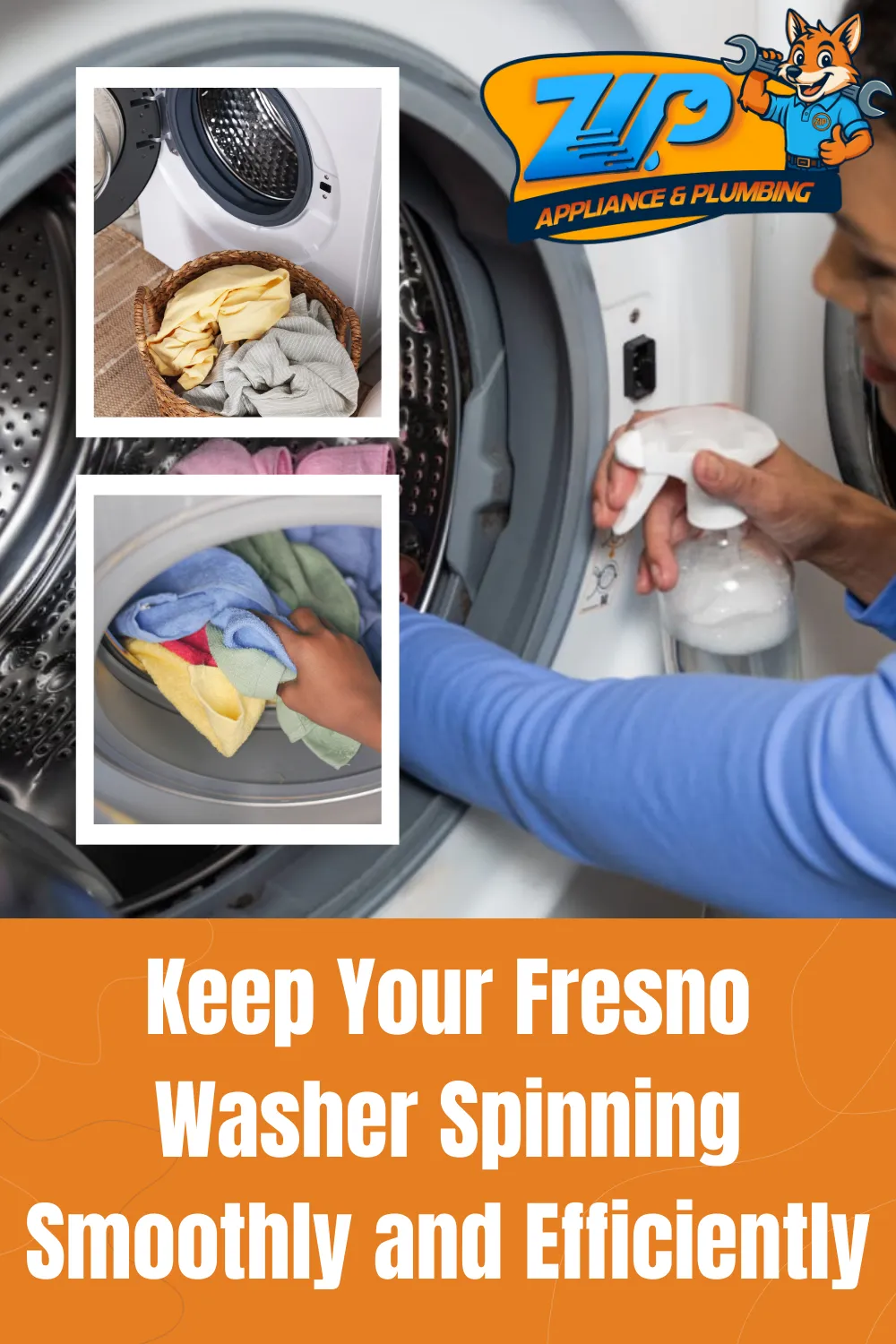
Stop Washer Not Spinning? Common Causes in Fresno Homes
A washer that won’t spin doesn’t just delay laundry—it signals underlying issues. Spot the problem early, act fast, and keep your Fresno home running smoothly. - Appliance Boss
Introduction: Why Your Washer May Stop Spinning
A washer that refuses to spin can quickly turn laundry day into a frustrating ordeal. The spin cycle is the heart of the washing process, removing excess water from clothes to reduce drying time and prevent mildew. When this cycle fails, loads remain drenched, clothes are heavier to handle, and energy usage spikes. Understanding why your washer stops spinning is key to addressing the problem efficiently and avoiding further damage.
Understanding the Importance of the Spin Cycle
The spin cycle is not just a convenience; it’s a mechanical necessity. By rapidly rotating the drum, the washer uses centrifugal force to extract water, reducing moisture content in your clothing. Without it, fabrics stay wet, prolonging drying times and potentially causing musty odors. Regular and effective spinning also keeps internal components like the drum, motor, and suspension system functioning optimally.
How a Non-Spinning Washer Affects Your Laundry Routine
A washer that doesn’t spin disrupts your daily life. Clothes come out soaking wet, requiring extra drying time, which can wear out fabrics faster. Laundry piles grow, and what should take an hour or two can stretch into a full day’s task. Over time, this inefficiency can lead to increased energy bills and strain on your dryer, creating a cascade of household frustrations.

Common Signs That Your Washer Is Not Spinning Properly
Recognizing the warning signs early can prevent more serious issues. Uneven spinning, unusual noises, excessive vibration, or the drum not moving at all are all red flags. Some problems are subtle, such as slightly damp clothes after a cycle, while others are more obvious, like loud thumping or squealing during operation.
Washer Makes Loud Noises During Spin Cycles
Noise is often the first symptom of a mechanical or electrical problem. Grinding, thumping, or squealing during a spin cycle indicates that something is misaligned, worn, or obstructed. Ignoring these sounds can lead to further damage and expensive repairs.
Grinding, Thumping, or Squealing Explained
Grinding usually points to worn bearings or a failing motor coupling. Thumping often comes from unbalanced loads or damaged suspension components. Squealing typically indicates belt slippage or motor strain. Each sound is a diagnostic clue.
What These Noises Say About Your Washer’s Condition
Persistent noises reveal hidden mechanical stress. Bearings may be deteriorating, belts could be loose, or the motor might be overexerted. Addressing these issues early preserves the longevity of your appliance.
Washer Won’t Start Spinning at All
Sometimes the drum remains completely stationary. This problem can stem from mechanical, electrical, or sensor issues. Identifying the root cause quickly helps prevent further complications.
Electrical Issues That Prevent Spinning
Faulty wiring, blown fuses, or a malfunctioning motor control board can stop the drum from rotating. Even simple issues like a tripped circuit breaker can halt operation entirely.
Control Panel and Timer Malfunctions
If your washer’s cycle doesn’t advance properly, it may be a timer or control board problem. These components regulate the sequence and duration of the spin cycle.
Washer Door or Lid Issues
The door or lid plays a critical safety role in washer operation. Many washers are designed not to spin if the lid or door isn’t fully closed.
Why a Locked Door Stops the Spin Cycle
Safety interlocks prevent the drum from spinning when the door is open, protecting users from injury. A faulty latch or misaligned door can block the cycle entirely.
How Lid Switches Affect Washer Operation
A defective lid switch can prevent the washer from detecting that the door is closed, keeping the drum stationary even when everything else is functional.
Unbalanced Loads Preventing Proper Spinning
Load imbalance is a common, yet often overlooked cause of spinning issues.
How Overloading or Underloading Impacts Spin
Overloading strains the motor and suspension, while underloading can cause the drum to spin unevenly. Both situations trigger the washer’s imbalance sensors, stopping the spin cycle to protect the appliance.
Detecting Uneven Laundry Distribution
Clothes clumped on one side or bulky items like towels and blankets can prevent smooth rotation. Adjusting load distribution often restores proper spinning.
Worn or Broken Drive Belts
Belts transmit motor power to the drum. If they wear out or break, the drum won’t spin.
How Drive Belts Control Drum Rotation
The motor rotates the belt, which turns the drum during the spin cycle. A loose or frayed belt cannot maintain consistent motion.
Signs Your Washer Belt Needs Replacement
Look for visible fraying, cracking, or slipping sounds. Drum movement that seems weak or inconsistent is another warning sign.
Faulty Motor or Motor Coupling
The motor powers the drum, while the coupling transfers that energy to rotation. Damage in either can halt spinning.
How Motor Problems Stop the Drum from Spinning
A failing motor may hum but not rotate the drum. Electrical faults or worn brushes reduce torque and prevent proper spinning.
Identifying Motor Coupling Failures
Plastic or rubber couplings can crack or break, especially in high-use washers. Symptoms include a loud clunk during spin or the drum refusing to turn.
Clogged or Faulty Pump
Drainage problems can prevent spinning.
How Drainage Problems Affect the Spin Cycle
If the washer cannot pump out water, it will stop the spin cycle to avoid overflow. Blocked hoses or a malfunctioning pump are frequent culprits.
Cleaning and Inspecting the Washer Pump
Regularly check and remove debris from pump filters. Inspect hoses for kinks, clogs, or leaks to maintain optimal drainage.
Suspension and Shock Absorber Issues
Shocks and suspension springs stabilize the drum during spins. Worn components lead to excessive vibration or stopped cycles.
How Worn Shocks Cause Excessive Vibration
If the drum bounces excessively, the washer’s sensors may halt the spin to prevent further damage.
Replacing Springs and Shock Absorbers
Replacing worn or broken shocks restores stability, ensuring smooth and safe spinning.
Problems Specific to Top Load Washers
Top load washers have unique components like agitators and tub mounts.
Agitator Malfunctions and Tub Movement
A seized or damaged agitator can interfere with the spin cycle. Proper tub rotation is essential for balanced spinning.
Top Load Washer Design Flaws That Affect Spinning
Older models may have suspension designs prone to imbalance, especially under heavy loads.
Problems Specific to Front Load Washers
Front load washers rely heavily on seals, bearings, and precise drum alignment.
Door Seal and Bearing Issues in Front Load Washers
Worn door gaskets or bearings can cause leaks, noise, or prevent the drum from spinning at full speed.
How Front Load Drums Become Unbalanced
Front load washers are sensitive to uneven loads. Large items like comforters can tip the drum, triggering sensors to stop spinning.
DIY Troubleshooting Steps
Before calling a technician, some simple checks can help identify the problem.
Simple Checks Before Calling a Technician
Verify the washer is level, the door is properly closed, and the load is balanced. Inspect belts, hoses, and electrical connections visually.
How to Test Belts, Motors, and Switches Safely
Unplug the washer first. Spin the drum manually to detect resistance, listen for unusual sounds, and check for visible wear on belts or couplings.
When to Schedule Professional Washer Repair
Some issues require specialized knowledge and tools.
Warning Signs That Require Immediate Attention
Burning smells, sparks, water leaks, or persistent non-spinning despite load adjustments indicate urgent professional service is needed.
Choosing a Trusted Fresno Appliance Repair Service
Look for licensed, insured technicians with positive local reviews. Timely intervention prevents further damage and extends appliance life.
Preventive Maintenance Tips to Keep Your Washer Spinning
Regular maintenance reduces breakdowns and keeps your washer operating efficiently.
Regular Cleaning and Load Management
Clean filters, avoid overloading, and distribute clothes evenly. Remove lint and detergent buildup regularly.
Inspecting Hoses, Belts, and Drains
Check for wear, cracks, or leaks. Replace components as needed to prevent unexpected failures.
Conclusion: Keep Your Fresno Washer Spinning Smoothly and Efficiently
A spinning washer is vital for efficient laundry and appliance longevity. Understanding the common causes of a washer not spinning and performing regular maintenance helps prevent downtime and costly repairs.
For Fresno homeowners experiencing washer issues, professional service ensures fast, reliable repairs. Zip Appliance Repair and Service offers expert washer repair and maintenance. Visit https://zipappliancerepairfresno.com/Zip-Appliance-and-plumbing-Repair-Fresno or call (559) 272-4265 to keep your washer spinning smoothly and your laundry routine stress-free.

Stop Washer Not Spinning? Common Causes in Fresno Homes
A washer that won’t spin doesn’t just delay laundry—it signals underlying issues. Spot the problem early, act fast, and keep your Fresno home running smoothly. - Appliance Boss
Introduction: Why Your Washer May Stop Spinning
A washer that refuses to spin can quickly turn laundry day into a frustrating ordeal. The spin cycle is the heart of the washing process, removing excess water from clothes to reduce drying time and prevent mildew. When this cycle fails, loads remain drenched, clothes are heavier to handle, and energy usage spikes. Understanding why your washer stops spinning is key to addressing the problem efficiently and avoiding further damage.
Understanding the Importance of the Spin Cycle
The spin cycle is not just a convenience; it’s a mechanical necessity. By rapidly rotating the drum, the washer uses centrifugal force to extract water, reducing moisture content in your clothing. Without it, fabrics stay wet, prolonging drying times and potentially causing musty odors. Regular and effective spinning also keeps internal components like the drum, motor, and suspension system functioning optimally.
How a Non-Spinning Washer Affects Your Laundry Routine
A washer that doesn’t spin disrupts your daily life. Clothes come out soaking wet, requiring extra drying time, which can wear out fabrics faster. Laundry piles grow, and what should take an hour or two can stretch into a full day’s task. Over time, this inefficiency can lead to increased energy bills and strain on your dryer, creating a cascade of household frustrations.
Common Signs That Your Washer Is Not Spinning Properly
Recognizing the warning signs early can prevent more serious issues. Uneven spinning, unusual noises, excessive vibration, or the drum not moving at all are all red flags. Some problems are subtle, such as slightly damp clothes after a cycle, while others are more obvious, like loud thumping or squealing during operation.
Washer Makes Loud Noises During Spin Cycles
Noise is often the first symptom of a mechanical or electrical problem. Grinding, thumping, or squealing during a spin cycle indicates that something is misaligned, worn, or obstructed. Ignoring these sounds can lead to further damage and expensive repairs.
Grinding, Thumping, or Squealing Explained
Grinding usually points to worn bearings or a failing motor coupling. Thumping often comes from unbalanced loads or damaged suspension components. Squealing typically indicates belt slippage or motor strain. Each sound is a diagnostic clue.
What These Noises Say About Your Washer’s Condition
Persistent noises reveal hidden mechanical stress. Bearings may be deteriorating, belts could be loose, or the motor might be overexerted. Addressing these issues early preserves the longevity of your appliance.
Washer Won’t Start Spinning at All
Sometimes the drum remains completely stationary. This problem can stem from mechanical, electrical, or sensor issues. Identifying the root cause quickly helps prevent further complications.
Electrical Issues That Prevent Spinning
Faulty wiring, blown fuses, or a malfunctioning motor control board can stop the drum from rotating. Even simple issues like a tripped circuit breaker can halt operation entirely.
Control Panel and Timer Malfunctions
If your washer’s cycle doesn’t advance properly, it may be a timer or control board problem. These components regulate the sequence and duration of the spin cycle.
Washer Door or Lid Issues
The door or lid plays a critical safety role in washer operation. Many washers are designed not to spin if the lid or door isn’t fully closed.
Why a Locked Door Stops the Spin Cycle
Safety interlocks prevent the drum from spinning when the door is open, protecting users from injury. A faulty latch or misaligned door can block the cycle entirely.
How Lid Switches Affect Washer Operation
A defective lid switch can prevent the washer from detecting that the door is closed, keeping the drum stationary even when everything else is functional.
Unbalanced Loads Preventing Proper Spinning
Load imbalance is a common, yet often overlooked cause of spinning issues.
How Overloading or Underloading Impacts Spin
Overloading strains the motor and suspension, while underloading can cause the drum to spin unevenly. Both situations trigger the washer’s imbalance sensors, stopping the spin cycle to protect the appliance.
Detecting Uneven Laundry Distribution
Clothes clumped on one side or bulky items like towels and blankets can prevent smooth rotation. Adjusting load distribution often restores proper spinning.
Worn or Broken Drive Belts
Belts transmit motor power to the drum. If they wear out or break, the drum won’t spin.
How Drive Belts Control Drum Rotation
The motor rotates the belt, which turns the drum during the spin cycle. A loose or frayed belt cannot maintain consistent motion.
Signs Your Washer Belt Needs Replacement
Look for visible fraying, cracking, or slipping sounds. Drum movement that seems weak or inconsistent is another warning sign.
Faulty Motor or Motor Coupling
The motor powers the drum, while the coupling transfers that energy to rotation. Damage in either can halt spinning.
How Motor Problems Stop the Drum from Spinning
A failing motor may hum but not rotate the drum. Electrical faults or worn brushes reduce torque and prevent proper spinning.
Identifying Motor Coupling Failures
Plastic or rubber couplings can crack or break, especially in high-use washers. Symptoms include a loud clunk during spin or the drum refusing to turn.
Clogged or Faulty Pump
Drainage problems can prevent spinning.
How Drainage Problems Affect the Spin Cycle
If the washer cannot pump out water, it will stop the spin cycle to avoid overflow. Blocked hoses or a malfunctioning pump are frequent culprits.
Cleaning and Inspecting the Washer Pump
Regularly check and remove debris from pump filters. Inspect hoses for kinks, clogs, or leaks to maintain optimal drainage.
Suspension and Shock Absorber Issues
Shocks and suspension springs stabilize the drum during spins. Worn components lead to excessive vibration or stopped cycles.
How Worn Shocks Cause Excessive Vibration
If the drum bounces excessively, the washer’s sensors may halt the spin to prevent further damage.
Replacing Springs and Shock Absorbers
Replacing worn or broken shocks restores stability, ensuring smooth and safe spinning.
Problems Specific to Top Load Washers
Top load washers have unique components like agitators and tub mounts.
Agitator Malfunctions and Tub Movement
A seized or damaged agitator can interfere with the spin cycle. Proper tub rotation is essential for balanced spinning.
Top Load Washer Design Flaws That Affect Spinning
Older models may have suspension designs prone to imbalance, especially under heavy loads.
Problems Specific to Front Load Washers
Front load washers rely heavily on seals, bearings, and precise drum alignment.
Door Seal and Bearing Issues in Front Load Washers
Worn door gaskets or bearings can cause leaks, noise, or prevent the drum from spinning at full speed.
How Front Load Drums Become Unbalanced
Front load washers are sensitive to uneven loads. Large items like comforters can tip the drum, triggering sensors to stop spinning.
DIY Troubleshooting Steps
Before calling a technician, some simple checks can help identify the problem.
Simple Checks Before Calling a Technician
Verify the washer is level, the door is properly closed, and the load is balanced. Inspect belts, hoses, and electrical connections visually.
How to Test Belts, Motors, and Switches Safely
Unplug the washer first. Spin the drum manually to detect resistance, listen for unusual sounds, and check for visible wear on belts or couplings.
When to Schedule Professional Washer Repair
Some issues require specialized knowledge and tools.
Warning Signs That Require Immediate Attention
Burning smells, sparks, water leaks, or persistent non-spinning despite load adjustments indicate urgent professional service is needed.
Choosing a Trusted Fresno Appliance Repair Service
Look for licensed, insured technicians with positive local reviews. Timely intervention prevents further damage and extends appliance life.
Preventive Maintenance Tips to Keep Your Washer Spinning
Regular maintenance reduces breakdowns and keeps your washer operating efficiently.
Regular Cleaning and Load Management
Clean filters, avoid overloading, and distribute clothes evenly. Remove lint and detergent buildup regularly.
Inspecting Hoses, Belts, and Drains
Check for wear, cracks, or leaks. Replace components as needed to prevent unexpected failures.
Conclusion: Keep Your Fresno Washer Spinning Smoothly and Efficiently
A spinning washer is vital for efficient laundry and appliance longevity. Understanding the common causes of a washer not spinning and performing regular maintenance helps prevent downtime and costly repairs.
For Fresno homeowners experiencing washer issues, professional service ensures fast, reliable repairs. Zip Appliance Repair and Service offers expert washer repair and maintenance. Visit https://zipappliancerepairfresno.com/Zip-Appliance-and-plumbing-Repair-Fresno or call (559) 272-4265 to keep your washer spinning smoothly and your laundry routine stress-free.
If your dryer has been giving you problems, contact Zip Appliance Repair & Service at (559) 272-4265
Appliance Repair In A Zip
If you need a dryer repair call our Team at (559) 272-4265, or visit our online scheduling page to request service.
Appliance Repair
HAVE A QUESTION, CALL (559) 272-4265

Online Offers
Take advantage of our online discount offers - save time and money...

Residential & Commercial appliances
See what our company can do for you

Appliance Repair Tips
If your appliance is not working properly...
1405 Commercial Way ste 100
Bakersfield, CA 93309
Lic # 1116346
Equipment We Sevice
- A Call To Confirm Your Appointment Time
- A Email Detailing Your Assigned Technician
- Information Needed Before The Repair Can Be Started
- An Estimate Of Work To Be Done
© 2026 ZIP APPLIANCE REPAIR & SERVICE LLC