THE FASTEST TOOLS IN TOWN
ZIP APPLIANCE REPAIR & SERVICE

Phone: (559) 272-4265



Phone: (559) 272-4265



Appliance Repair Tips For Fresno, CA Residents
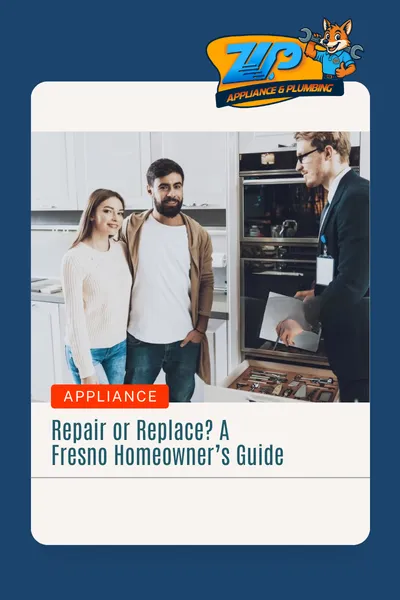
Repair or Replace? A Fresno Homeowner’s Guide
Smart appliance decisions aren’t just about fixing what’s broken—they’re about saving money, boosting efficiency, and protecting your Fresno home for the long haul. - Appliance Boss
Introduction
Making the right choice between repairing or replacing an appliance can feel daunting. Each decision affects your wallet, your home’s efficiency, and even your comfort. In Fresno, where energy costs fluctuate and appliance wear is accelerated by frequent use, understanding when to fix versus replace is critical. Smart decisions save money, reduce stress, and prolong the life of your home’s systems.
The Financial Impact of Appliance Choices
How Repair Costs Add Up Over Time
Small repairs may seem inexpensive individually, but repeated fixes quickly accumulate. Labor, parts, and service fees add up, often exceeding the cost of a new unit. Ignoring minor issues can lead to catastrophic failures, turning a minor repair into an emergency expense.

When Replacement Can Be More Cost-Effective
In some cases, investing in a new appliance saves money in the long run. High-energy consumption, recurring malfunctions, or obsolete models can justify replacement, especially when repair costs approach half or more of a new unit’s price.
Long-Term Savings vs Short-Term Fixes
Evaluating long-term benefits over immediate relief is crucial. A well-chosen replacement reduces energy bills, minimizes downtime, and enhances reliability. Short-term fixes might postpone the inevitable but often cost more over time.
Common Home Appliances Facing Repair or Replacement Decisions
Refrigerators and Freezers
Refrigerators and freezers are essential, and a failing cooling system can spoil food and increase energy costs. Recognizing signs of inefficiency early helps homeowners decide whether to repair components or invest in an energy-efficient replacement.
Washing Machines and Dryers
Frequent leaks, worn belts, or inconsistent heating cycles indicate wear in laundry appliances. Minor repairs might extend their lifespan, but repeated malfunctions can justify replacement for reliability and safety.
Ovens, Stoves, and Cooktops
Heating inconsistencies, broken burners, or faulty thermostats affect cooking performance. Energy-efficient modern models can save money while providing enhanced features and even smarter controls.
Dishwashers and Garbage Disposals
Persistent leaks, noisy operation, and declining performance are common. Deciding between repair or replacement depends on the severity of the malfunction and the unit’s age.
HVAC Systems and Water Heaters
These appliances have a direct impact on comfort and utility bills. Older units often operate inefficiently, making replacement a compelling option to reduce energy consumption and prevent costly emergencies.
Signs Your Appliance May Need Attention
Unusual Noises or Vibrations
Clanking, buzzing, or grinding signals internal wear or imminent failure. Early attention can prevent more serious issues and unexpected downtime.
Inconsistent Performance or Malfunctions
When appliances fail to perform consistently—fridges not cooling, washers not spinning—repair or replacement decisions become urgent.
Visible Wear, Rust, or Damage
Physical deterioration often accompanies internal inefficiencies. Rusted or broken components can compromise safety and signal the need for replacement.
Frequent Breakdowns in a Short Period
Repeated service calls indicate the appliance may be at the end of its practical lifespan, making replacement a smarter financial choice.
Evaluating Appliance Age and Lifespan
Average Lifespan of Major Home Appliances
Most appliances have expected lifespans: refrigerators (10-15 years), washers (10-12 years), dryers (10-12 years), ovens (10-15 years). Knowing these ranges helps guide repair or replacement decisions.
When Age Alone Suggests Replacement
Appliances nearing the end of their typical lifespan may cost more to repair than they’re worth. Replacement ensures reliability and modern energy efficiency.
Understanding Efficiency Loss with Older Appliances
Older models often consume more energy and may lack modern safety and performance features, which can justify an upgrade.
Repairing Appliances: When It Makes Sense
Cost of Common Appliance Repairs in Fresno
Repair costs vary depending on parts, labor, and appliance type. Minor issues like replacing belts, fuses, or gaskets are often cost-effective.
Quick Fixes vs Major Component Replacement
Simple repairs that restore functionality make sense, but if multiple major components are failing, replacement may be more economical.
Pros and Cons of Choosing Repair
Repairs can extend lifespan and delay capital expenditure, but repeated issues, hidden damage, and inefficiency are drawbacks to consider.
Replacing Appliances: When It’s the Better Choice
Energy Efficiency Upgrades with New Appliances
Modern appliances reduce utility bills with better insulation, optimized motors, and smart energy use.
Avoiding Recurring Repairs and Downtime
A new appliance eliminates frequent service calls, reducing disruptions and unexpected costs.
Modern Features That Improve Home Convenience
Touchscreens, smart sensors, Wi-Fi connectivity, and energy-saving modes enhance daily convenience and long-term efficiency.
The Role of Warranty and Manufacturer Support
Understanding Existing Appliance Warranties
Knowing the scope and duration of warranties helps homeowners decide if repair costs will be covered.
Extended Warranties: Are They Worth It?
Extended warranties can offer peace of mind, but homeowners should weigh cost against likelihood of future issues.
Manufacturer Repair vs Third-Party Services
Manufacturer services provide certified repairs, while third-party technicians may offer lower costs but varying expertise.
DIY Repairs vs Professional Services
Simple Fixes Homeowners Can Handle
Cleaning filters, tightening connections, or replacing bulbs are safe DIY tasks.
Risks of Attempting Complex Repairs
Electrical, gas, and refrigerant systems require trained professionals to avoid safety hazards or permanent damage.
How Professionals Ensure Safety and Longevity
Certified technicians use proper tools, testing, and safety protocols to maximize appliance lifespan.
Energy Efficiency and Long-Term Savings
Comparing Old vs New Appliance Energy Costs
Older units often consume more electricity, leading to higher bills and faster wear on components.
How Replacement Can Reduce Monthly Bills
High-efficiency models use less energy, translating to noticeable savings over time.
Impact of Local Fresno Energy Rates
Fresno homeowners benefit from evaluating replacement costs against rising local utility rates for maximum financial impact.
Environmental Considerations
Recycling Old Appliances Responsibly
Proper disposal prevents environmental harm and complies with local recycling regulations.
Minimizing Waste and Carbon Footprint
New energy-efficient appliances reduce emissions, supporting sustainability while lowering energy use.
Tips for Making Smart Decisions
Assessing Repair Costs vs Replacement Costs
Consider immediate repair fees, projected future repairs, and energy savings when comparing options.
Factoring in Appliance Reliability and Performance
Frequent breakdowns and inefficient operation often justify replacement over temporary repairs.
Consulting Professionals for Expert Advice
Technicians provide assessments, repair estimates, and recommendations based on real-world experience.
Seasonal and Local Factors in Fresno
How Climate Affects Appliance Lifespan
Hot, dry summers and fluctuating temperatures can accelerate wear on cooling and heating appliances.
Peak Energy Usage Periods and Efficiency Concerns
High seasonal energy demand impacts appliance performance, influencing the timing of replacement decisions.
Avoiding Common Homeowner Mistakes
Delaying Repairs Too Long
Waiting increases risk of costly failures, safety hazards, and wasted energy.
Ignoring Signs of Inefficiency or Damage
Prompt attention prevents minor problems from escalating into full system failures.
Preventive Maintenance to Extend Appliance Life
Cleaning, Regular Inspections, and Proper Usage
Routine care keeps appliances running efficiently and reduces unexpected breakdowns.
Scheduling Timely Service Calls
Periodic professional inspections catch minor issues before they escalate.
Cost Comparison Examples
Repair Scenarios vs Replacement Scenarios
Analyzing real-world examples helps homeowners understand when replacement outweighs repeated repairs.
Hidden Costs Homeowners Often Overlook
Labor fees, energy inefficiency, and emergency repairs contribute to the true cost of delaying replacement.
Conclusion: Making Smart Appliance Decisions in Fresno
Balancing cost, efficiency, and convenience is key to protecting your home investment. Zip Appliance Repair and Service helps homeowners navigate these decisions with expert advice, reliable service, and timely repairs. Make the right choice and protect your home today.
Website: https://zipappliancerepairfresno.com/Zip-Appliance-and-plumbing-Repair-Fresno
Phone: (559) 272-4265

Repair or Replace? A Fresno Homeowner’s Guide
Smart appliance decisions aren’t just about fixing what’s broken—they’re about saving money, boosting efficiency, and protecting your Fresno home for the long haul. - Appliance Boss
Introduction
Making the right choice between repairing or replacing an appliance can feel daunting. Each decision affects your wallet, your home’s efficiency, and even your comfort. In Fresno, where energy costs fluctuate and appliance wear is accelerated by frequent use, understanding when to fix versus replace is critical. Smart decisions save money, reduce stress, and prolong the life of your home’s systems.
The Financial Impact of Appliance Choices
How Repair Costs Add Up Over Time
Small repairs may seem inexpensive individually, but repeated fixes quickly accumulate. Labor, parts, and service fees add up, often exceeding the cost of a new unit. Ignoring minor issues can lead to catastrophic failures, turning a minor repair into an emergency expense.
When Replacement Can Be More Cost-Effective
In some cases, investing in a new appliance saves money in the long run. High-energy consumption, recurring malfunctions, or obsolete models can justify replacement, especially when repair costs approach half or more of a new unit’s price.
Long-Term Savings vs Short-Term Fixes
Evaluating long-term benefits over immediate relief is crucial. A well-chosen replacement reduces energy bills, minimizes downtime, and enhances reliability. Short-term fixes might postpone the inevitable but often cost more over time.
Common Home Appliances Facing Repair or Replacement Decisions
Refrigerators and Freezers
Refrigerators and freezers are essential, and a failing cooling system can spoil food and increase energy costs. Recognizing signs of inefficiency early helps homeowners decide whether to repair components or invest in an energy-efficient replacement.
Washing Machines and Dryers
Frequent leaks, worn belts, or inconsistent heating cycles indicate wear in laundry appliances. Minor repairs might extend their lifespan, but repeated malfunctions can justify replacement for reliability and safety.
Ovens, Stoves, and Cooktops
Heating inconsistencies, broken burners, or faulty thermostats affect cooking performance. Energy-efficient modern models can save money while providing enhanced features and even smarter controls.
Dishwashers and Garbage Disposals
Persistent leaks, noisy operation, and declining performance are common. Deciding between repair or replacement depends on the severity of the malfunction and the unit’s age.
HVAC Systems and Water Heaters
These appliances have a direct impact on comfort and utility bills. Older units often operate inefficiently, making replacement a compelling option to reduce energy consumption and prevent costly emergencies.
Signs Your Appliance May Need Attention
Unusual Noises or Vibrations
Clanking, buzzing, or grinding signals internal wear or imminent failure. Early attention can prevent more serious issues and unexpected downtime.
Inconsistent Performance or Malfunctions
When appliances fail to perform consistently—fridges not cooling, washers not spinning—repair or replacement decisions become urgent.
Visible Wear, Rust, or Damage
Physical deterioration often accompanies internal inefficiencies. Rusted or broken components can compromise safety and signal the need for replacement.
Frequent Breakdowns in a Short Period
Repeated service calls indicate the appliance may be at the end of its practical lifespan, making replacement a smarter financial choice.
Evaluating Appliance Age and Lifespan
Average Lifespan of Major Home Appliances
Most appliances have expected lifespans: refrigerators (10-15 years), washers (10-12 years), dryers (10-12 years), ovens (10-15 years). Knowing these ranges helps guide repair or replacement decisions.
When Age Alone Suggests Replacement
Appliances nearing the end of their typical lifespan may cost more to repair than they’re worth. Replacement ensures reliability and modern energy efficiency.
Understanding Efficiency Loss with Older Appliances
Older models often consume more energy and may lack modern safety and performance features, which can justify an upgrade.
Repairing Appliances: When It Makes Sense
Cost of Common Appliance Repairs in Fresno
Repair costs vary depending on parts, labor, and appliance type. Minor issues like replacing belts, fuses, or gaskets are often cost-effective.
Quick Fixes vs Major Component Replacement
Simple repairs that restore functionality make sense, but if multiple major components are failing, replacement may be more economical.
Pros and Cons of Choosing Repair
Repairs can extend lifespan and delay capital expenditure, but repeated issues, hidden damage, and inefficiency are drawbacks to consider.
Replacing Appliances: When It’s the Better Choice
Energy Efficiency Upgrades with New Appliances
Modern appliances reduce utility bills with better insulation, optimized motors, and smart energy use.
Avoiding Recurring Repairs and Downtime
A new appliance eliminates frequent service calls, reducing disruptions and unexpected costs.
Modern Features That Improve Home Convenience
Touchscreens, smart sensors, Wi-Fi connectivity, and energy-saving modes enhance daily convenience and long-term efficiency.
The Role of Warranty and Manufacturer Support
Understanding Existing Appliance Warranties
Knowing the scope and duration of warranties helps homeowners decide if repair costs will be covered.
Extended Warranties: Are They Worth It?
Extended warranties can offer peace of mind, but homeowners should weigh cost against likelihood of future issues.
Manufacturer Repair vs Third-Party Services
Manufacturer services provide certified repairs, while third-party technicians may offer lower costs but varying expertise.
DIY Repairs vs Professional Services
Simple Fixes Homeowners Can Handle
Cleaning filters, tightening connections, or replacing bulbs are safe DIY tasks.
Risks of Attempting Complex Repairs
Electrical, gas, and refrigerant systems require trained professionals to avoid safety hazards or permanent damage.
How Professionals Ensure Safety and Longevity
Certified technicians use proper tools, testing, and safety protocols to maximize appliance lifespan.
Energy Efficiency and Long-Term Savings
Comparing Old vs New Appliance Energy Costs
Older units often consume more electricity, leading to higher bills and faster wear on components.
How Replacement Can Reduce Monthly Bills
High-efficiency models use less energy, translating to noticeable savings over time.
Impact of Local Fresno Energy Rates
Fresno homeowners benefit from evaluating replacement costs against rising local utility rates for maximum financial impact.
Environmental Considerations
Recycling Old Appliances Responsibly
Proper disposal prevents environmental harm and complies with local recycling regulations.
Minimizing Waste and Carbon Footprint
New energy-efficient appliances reduce emissions, supporting sustainability while lowering energy use.
Tips for Making Smart Decisions
Assessing Repair Costs vs Replacement Costs
Consider immediate repair fees, projected future repairs, and energy savings when comparing options.
Factoring in Appliance Reliability and Performance
Frequent breakdowns and inefficient operation often justify replacement over temporary repairs.
Consulting Professionals for Expert Advice
Technicians provide assessments, repair estimates, and recommendations based on real-world experience.
Seasonal and Local Factors in Fresno
How Climate Affects Appliance Lifespan
Hot, dry summers and fluctuating temperatures can accelerate wear on cooling and heating appliances.
Peak Energy Usage Periods and Efficiency Concerns
High seasonal energy demand impacts appliance performance, influencing the timing of replacement decisions.
Avoiding Common Homeowner Mistakes
Delaying Repairs Too Long
Waiting increases risk of costly failures, safety hazards, and wasted energy.
Ignoring Signs of Inefficiency or Damage
Prompt attention prevents minor problems from escalating into full system failures.
Preventive Maintenance to Extend Appliance Life
Cleaning, Regular Inspections, and Proper Usage
Routine care keeps appliances running efficiently and reduces unexpected breakdowns.
Scheduling Timely Service Calls
Periodic professional inspections catch minor issues before they escalate.
Cost Comparison Examples
Repair Scenarios vs Replacement Scenarios
Analyzing real-world examples helps homeowners understand when replacement outweighs repeated repairs.
Hidden Costs Homeowners Often Overlook
Labor fees, energy inefficiency, and emergency repairs contribute to the true cost of delaying replacement.
Conclusion: Making Smart Appliance Decisions in Fresno
Balancing cost, efficiency, and convenience is key to protecting your home investment. Zip Appliance Repair and Service helps homeowners navigate these decisions with expert advice, reliable service, and timely repairs. Make the right choice and protect your home today.
Website: https://zipappliancerepairfresno.com/Zip-Appliance-and-plumbing-Repair-Fresno
Phone: (559) 272-4265
If your dryer has been giving you problems, contact Zip Appliance Repair & Service at (559) 272-4265
Appliance Repair In A Zip
If you need a dryer repair call our Team at (559) 272-4265, or visit our online scheduling page to request service.
Appliance Repair
HAVE A QUESTION, CALL (559) 272-4265

Online Offers
Take advantage of our online discount offers - save time and money...

Residential & Commercial appliances
See what our company can do for you

Appliance Repair Tips
If your appliance is not working properly...
1405 Commercial Way ste 100
Bakersfield, CA 93309
Lic # 1116346
Equipment We Sevice
- A Call To Confirm Your Appointment Time
- A Email Detailing Your Assigned Technician
- Information Needed Before The Repair Can Be Started
- An Estimate Of Work To Be Done
© 2026 ZIP APPLIANCE REPAIR & SERVICE LLC