THE FASTEST TOOLS IN TOWN
ZIP APPLIANCE REPAIR & SERVICE

Phone: (559) 272-4265



Phone: (559) 272-4265



Washer Repair in Clovis, CA - ZIP Appliance Repair
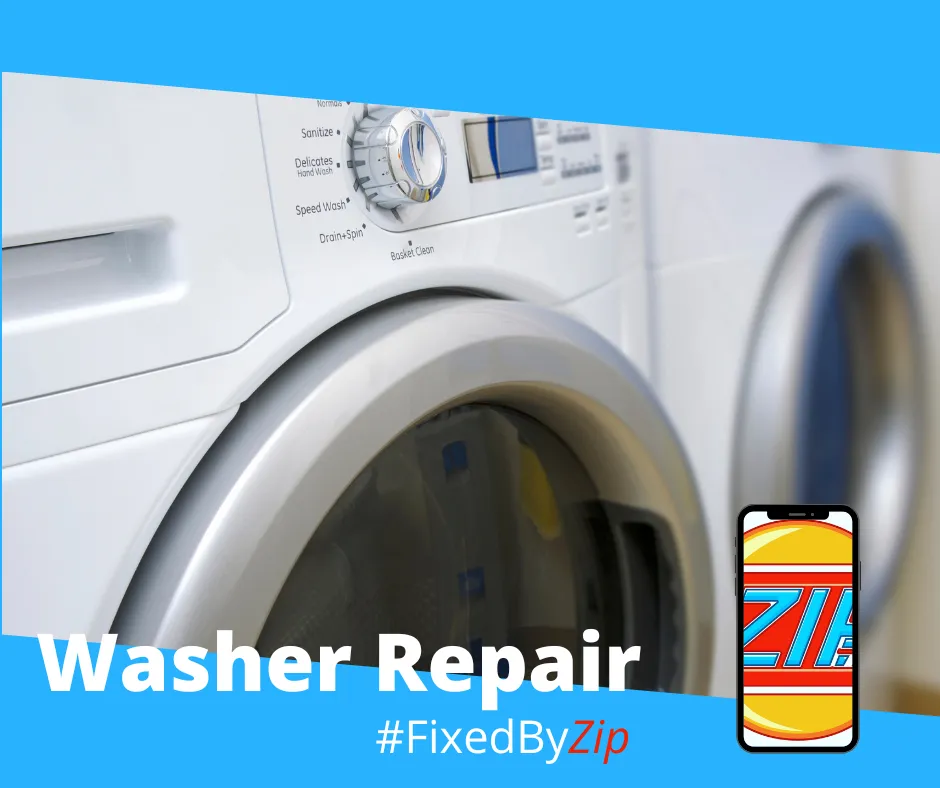
Expert Washer Repair Services - Quick, Reliable, and Local
Welcome to ZIP Appliance Repair, your leading provider of washer repair services in Clovis, CA. We understand the importance of having a fully functional washing machine in your home—whether you're dealing with mountains of family laundry or the weekly wash. Our expert technicians are equipped to handle a wide range of washer issues, ensuring that your appliance runs smoothly with minimal downtime. Trust us to provide efficient, reliable washer repair services tailored to meet your needs.
If your washer has been giving you problems, contact Zip Appliance Repair & Service at (559) 272-4265
Why Choose Us?
At ZIP Appliance Repair, we are committed to providing exceptional washer repair services to the Clovis community. Our team of certified technicians is skilled in handling a variety of brands, including market leaders like Samsung and LG. We pride ourselves on our rapid response times, ensuring that your washer issues are resolved quickly and effectively, minimizing any inconvenience to your daily routine. Our steadfast commitment to customer satisfaction and our ability to deliver reliable, high-quality repairs make us your best choice for washer maintenance and repair services in Clovis, CA.
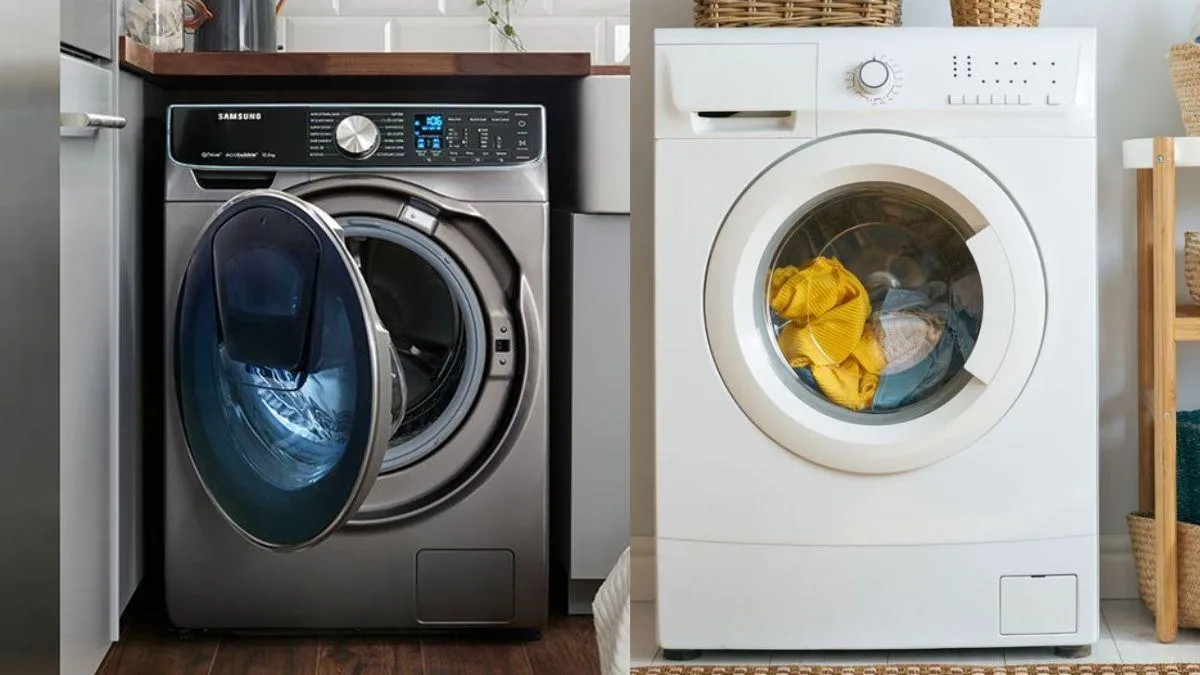
Common Washer Problems We Fix
At ZIP Appliance Repair, we address a range of common washer issues that can disrupt your daily life. Here are some of the frequent problems we encounter and resolve:
Leaking Water: Whether it's a faulty hose or a seal issue, we quickly identify and fix leaks to prevent water damage and restore your washer's functionality.
Excessive Noise: Loud noises often indicate worn-out bearings or unbalanced drums. Our technicians can effectively quiet your machine.
Failure to Start: We troubleshoot power issues, faulty timers, or broken switches to get your washer running again.
Inadequate Draining: Slow or non-draining washers can be a hassle. We clean clogged filters and repair drain pumps efficiently.
Unusual Odors: We clean and maintain washer interiors to eliminate mold, mildew, and other causes of unpleasant smells.
Trust our skilled team to extend the life of your appliance with professional, thorough repairs.
Our Repair Services In Clovis, CA
At ZIP Appliance Repair, we provide comprehensive washer repair services designed to address every possible malfunction. Our process begins with a thorough diagnostic to accurately identify the problem. We then explain the issue and our proposed solution to you, ensuring transparency and understanding. Our repairs include replacing worn or faulty components with high-quality parts, adjusting settings for optimal performance, and conducting final tests to guarantee your washer operates as expected. Whether it’s a simple fix or a complex repair, our goal is to ensure your washing machine's longevity and efficiency.
Zip Appliance Repair & Service in Clovis, CA is the Best Team For the Job
Our expertise in washer repair extends to a wide range of brands, ensuring that no matter the make or model of your washing machine, ZIP Appliance Repair has you covered. We specialize in servicing popular brands such as Samsung and LG, known for their innovative and complex technologies. Additionally, we are skilled in repairing washers from Maytag, renowned for their high-end appliances. Our technicians stay updated with the latest repair techniques and technology, guaranteeing effective solutions for all your washer repair needs in Clovis, CA.
Repairing a refrigerator in your Clovis, CA home is a great idea. Don't just replace the refrigerator without knowing if it can be fixed. Call Zip Appliance Repair & Service today at (559) 272-4265 about a refrigerator repair.
Washer Repair In A Zip
If you need a washer repair call our Team at (559) 272-4265, or visit our online scheduling page to request service.
Appliance Repair
HAVE A QUESTION, CALL (559) 272-4265
We Repair & Service Most Major Brands Including:
LG, Viking, Sub-Zero, Samsung, General Electric, Whirlpool, Maytag, Kenmore, Frigidaire, Electrolux



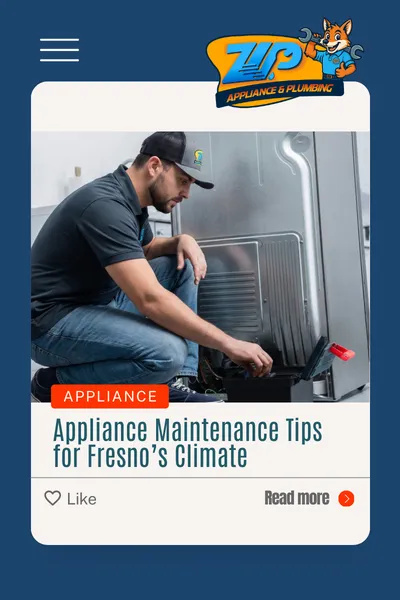
Why Your Oven Takes Longer to Heat in Fresno Homes Quickly Solved
A well-maintained oven heats faster, cooks more evenly, and saves time and energy, keeping every meal in Fresno homes on schedule. - Appliance Boss
Introduction
A slow-heating oven can be more than a minor inconvenience—it can disrupt meal planning, ruin timing for family dinners, and increase energy costs. Many homeowners in Fresno don’t realize that delayed heating is often a symptom of underlying issues, from worn-out components to calibration problems. Recognizing the signs early ensures you can restore your oven’s efficiency and avoid unnecessary frustration in the kitchen.
The Impact of Slow-Heating Ovens on Daily Cooking
Slow-heating ovens extend cooking times, which can throw off meal schedules and affect food quality. Recipes may not cook evenly, and baked goods can turn out dense or undercooked. Over time, inefficient heating leads to higher energy consumption and increased utility bills, making it essential to identify the cause quickly.

Common Signs Your Oven Is Taking Too Long to Heat
Watch for indicators like longer preheat times, inconsistent internal temperatures, or the oven shutting off before reaching the set heat. Strange odors or intermittent heating cycles also signal potential issues that need addressing before they escalate.
The Cost of Ignoring Oven Heating Problems
Delaying repairs can result in more serious damage, including burnt-out heating elements, malfunctioning thermostats, or electrical faults. Ignored issues often lead to emergency service calls, costly replacements, and even potential safety hazards such as gas leaks in older ovens.
How Preventive Oven Maintenance Can Save Time and Energy
Routine maintenance keeps your oven operating efficiently and prolongs its lifespan. Flushing out debris, inspecting components, and checking electrical connections prevent common issues. Preventative care also improves cooking performance, reduces energy consumption, and minimizes the likelihood of unexpected breakdowns.
Different Types of Ovens Found in Fresno Kitchens
Fresno homes feature a variety of ovens, including conventional, convection, wall-mounted, and range ovens. Each type has unique heating mechanisms and maintenance needs. Knowing which type you own helps you address heating delays more effectively.
Gas Ovens vs. Electric Ovens: Heating Differences and Issues
Gas ovens rely on pilot lights and burners to generate heat, while electric ovens use resistance coils or infrared elements. Gas units may struggle with ignition or pilot light issues, whereas electric ovens often face element wear or electrical faults. Understanding these differences is key to proper troubleshooting.
Heating Element Wear: What Causes It and How to Detect
Heating elements naturally degrade over time due to repeated heating cycles. Burn marks, uneven heating, or visible cracks indicate a worn element. Detecting this early allows for replacement before it affects cooking performance or causes further damage.
Faulty Thermostats: How They Affect Oven Temperature
A malfunctioning thermostat may fail to accurately regulate heat, causing prolonged preheating or uneven cooking. Thermostat issues often manifest as fluctuations in temperature, leaving your oven unable to reach or maintain the set heat level.
Temperature Sensor Malfunctions: Spotting the Problem Early
Temperature sensors monitor oven heat and communicate with the control board. When faulty, they can cause the oven to misread internal temperatures, resulting in slower heating or uneven baking. Early detection prevents prolonged cooking times and energy waste.
Electrical Issues in Electric Ovens: Common Faults and Fixes
Electric ovens may experience blown fuses, tripped breakers, or damaged wiring. Such issues reduce power delivery to heating elements, slowing oven preheat. Regular inspection of electrical components ensures safe and efficient operation.
Pilot Light and Ignition Problems in Gas Ovens
A gas oven’s pilot light or electronic ignition can fail, preventing proper heating. Blockages, dirt, or faulty components disrupt ignition. Cleaning burners and checking pilot assembly can often resolve the problem without professional intervention.
Oven Door Seals and Insulation: How Leaks Slow Heating
Gaps in door seals or worn insulation allow heat to escape, forcing the oven to work harder and take longer to reach desired temperatures. Inspecting and replacing seals ensures heat retention and faster cooking.
Dirty or Clogged Oven Components That Affect Heat
Accumulated grease, food debris, or dust on heating elements and burners can impair heat transfer. Cleaning these components regularly enhances efficiency and ensures even heating throughout the oven cavity.
Calibration Problems: How to Ensure Your Oven Reaches the Right Temperature
Oven calibration ensures that the temperature you set matches the actual internal temperature. Using an oven thermometer to check accuracy and recalibrating the control panel if needed keeps your oven performing optimally.
Signs Your Oven Needs Professional Service
Persistent slow heating, frequent temperature fluctuations, or repeated breakdowns indicate it may be time to call a professional. Technicians can diagnose complex issues like control board faults, gas line problems, or wiring defects.
Quick DIY Checks to Diagnose Slow Heating
Check the oven’s power source, inspect heating elements for visible damage, and ensure the door closes tightly. Using an oven thermometer can quickly reveal temperature discrepancies, helping you pinpoint minor issues.
Emergency Fixes for Ovens That Refuse to Heat
If your oven won’t heat, turn off the appliance, check for tripped breakers or gas supply interruptions, and clean accessible components. These steps may restore temporary function until professional repair is available.
Energy Efficiency Tips for Faster Oven Heating
Preheat with the door closed, avoid overloading the oven, and regularly clean heating elements. Using convection settings when available can reduce cooking time and energy consumption.
Routine Oven Maintenance Checklist for Fresno Homes
Inspect and clean heating elements or burners
Check oven door seals for leaks
Calibrate temperature settings using a thermometer
Remove accumulated grease or debris
Test thermostat and temperature sensors
Schedule professional inspection annually
When It’s Time to Replace Your Oven
Consider replacement if heating problems persist, energy bills rise, or repairs become frequent. Older ovens may be inefficient and prone to breakdowns, making a new unit a smarter long-term investment.
Choosing a New Oven: Features That Ensure Fast Heating
Look for models with precise thermostat controls, convection heating, fast preheat functions, and high-quality insulation. Energy-efficient designs not only heat faster but also reduce utility costs over time.
Seasonal Oven Care Tips for Fresno’s Climate
Fresno’s hot summers and variable winters can affect oven efficiency. Inspect seals, flush out debris, and test heating performance seasonally to maintain consistent cooking results.
Conclusion: Quick Solutions to Keep Your Oven Heating Efficiently
Addressing slow oven heating improves cooking performance, reduces energy waste, and prolongs appliance life. For expert repairs, maintenance, and fast solutions, trust Zip Appliance Repair and Service. Visit https://zipappliancerepairfresno.com/Zip-Appliance-and-plumbing-Repair-Fresno or call (559) 272-4265 to schedule a service appointment and keep your oven heating efficiently.
FAQs: Common Questions About Slow Oven Heating in Fresno Homes
Why is my oven taking so long to preheat?
Can I fix a slow-heating oven myself?
How do I know if my heating element needs replacement?
What’s the difference between thermostat and sensor issues?
When should I consider replacing my oven instead of repairing it?



© 2026 ZIP APPLIANCE REPAIR & SERVICE LLC